The New Rules of Diabetes: What You Need to Know in 2026
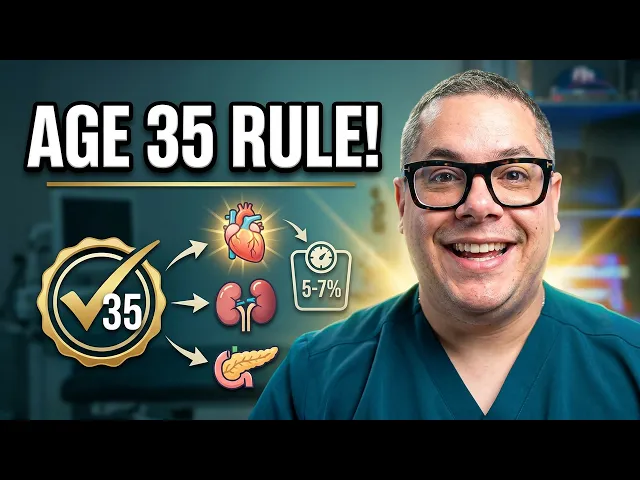
The 2026 American Diabetes Association (ADA) standards have officially lowered the recommended screening age to 35. For those with prediabetes, losing just 5–7% of body weight can reduce the risk of progressing to Type 2 Diabetes by over 50%. Our Houston practice focuses on the "Whole-Body" approach, protecting your heart and kidneys alongside your blood sugar. Book Your A1C Screening today at Houston Metropolitan Medical.
Dr. Wilmer Valentin
Apr 12, 2026
Screening Starts Earlier: The "Age 35" Rule
One of the most significant changes in recent years is the lowering of the recommended screening age. Because Type 2 Diabetes is appearing more frequently in younger adults, we now recommend that all adults begin regular screening at age 35, or even earlier if you have risk factors like a family history of the disease or a BMI over 25.
Beyond the A1C: A "Whole-Body" Approach
While the A1C test remains a vital tool for measuring your 3-month average blood sugar, the 2026 guidelines emphasize that we must treat the "interconnected" Quartet: Diabetes, Cardiovascular, liver and Kidney Disease. At our Houston practice, we look at the "Big" markers:
A1C: Aiming for a personalized target (usually below 7%).
uACR (Urine Test): To check for early signs of protein in the urine, protecting your kidneys.
Blood Pressure: The goal for most patients with diabetes is now 130/80 mmHg or lower to prevent stroke and heart attack.
The Lipid Panel: We aren't just looking at 'Total Cholesterol.' We are looking at your non-HDL numbers to ensure your arteries aren't narrowing while we focus on your sugar."
The ABI: The prevalence of perioheral arterial disease ranges from 20 to over 50% and can be asymptomatic. So screening for arterial disease is mandatory
MASH: The prevalence of MASH in patients with diabetes is up to 50%. We can rule it out with a Fib-4 score and an elastogram.
The Role of Modern Technology (CGMs)
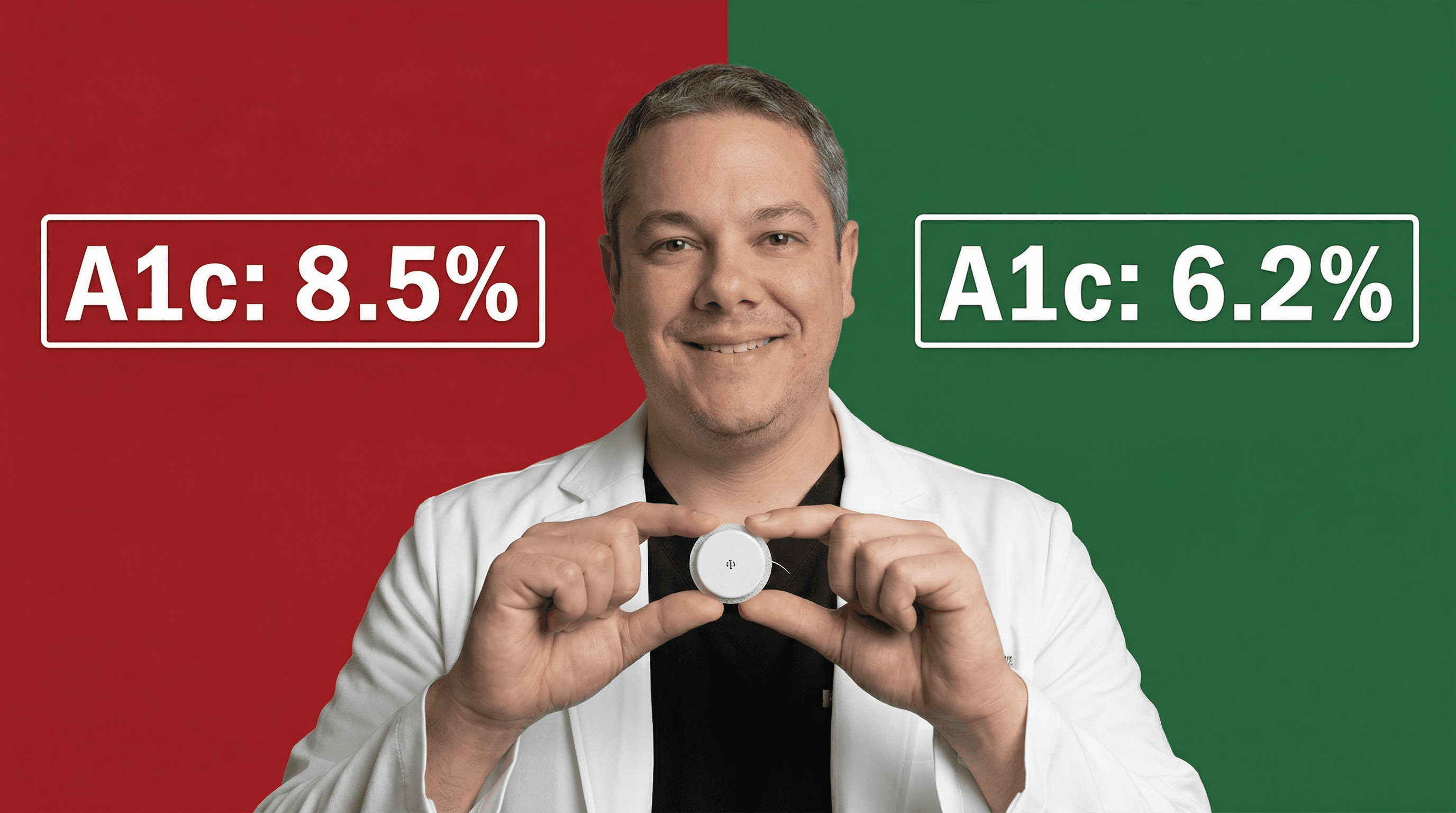
Continuous Glucose Monitors (CGMs) are no longer just for patients who require insulin. The 2026 standards now support the use of CGMs for many people with Type 2 Diabetes and even those with prediabetes. These small, wearable sensors provide real-time feedback on how specific foods—like that morning bagel or evening pasta—directly affect your blood sugar, allowing for "lifestyle course corrections" in the moment.
GLP-1s and Lifestyle: A Powerful Combination
You’ve likely heard about medications like GLP-1 agonists (such as Ozempic or Mounjaro). In 2026, these are increasingly used not just for glucose control, but for their proven benefits in protecting the heart and liver (MASH). However, these medications work best when paired with "foundational" lifestyle changes:
150 minutes of moderate-intensity activity (like brisk walking) per week.
Resistance training twice a week to maintain muscle mass.
Prioritizing whole foods over highly processed "diet" foods.
Take Charge of Your Health
Diabetes is a progressive condition, but it is also highly manageable with the right team. Whether you are looking to reverse prediabetes or optimize your current treatment plan, we are here to provide the evidence-based guidance you need.
Ready to check your numbers? * Book an Appointment: Schedule your annual wellness exam at Houston Metropolitan Medical.
Learn More: Watch our latest deep dive on "Diabetes and Kidney Health" over on our YouTube Channel @drwilmervalentin