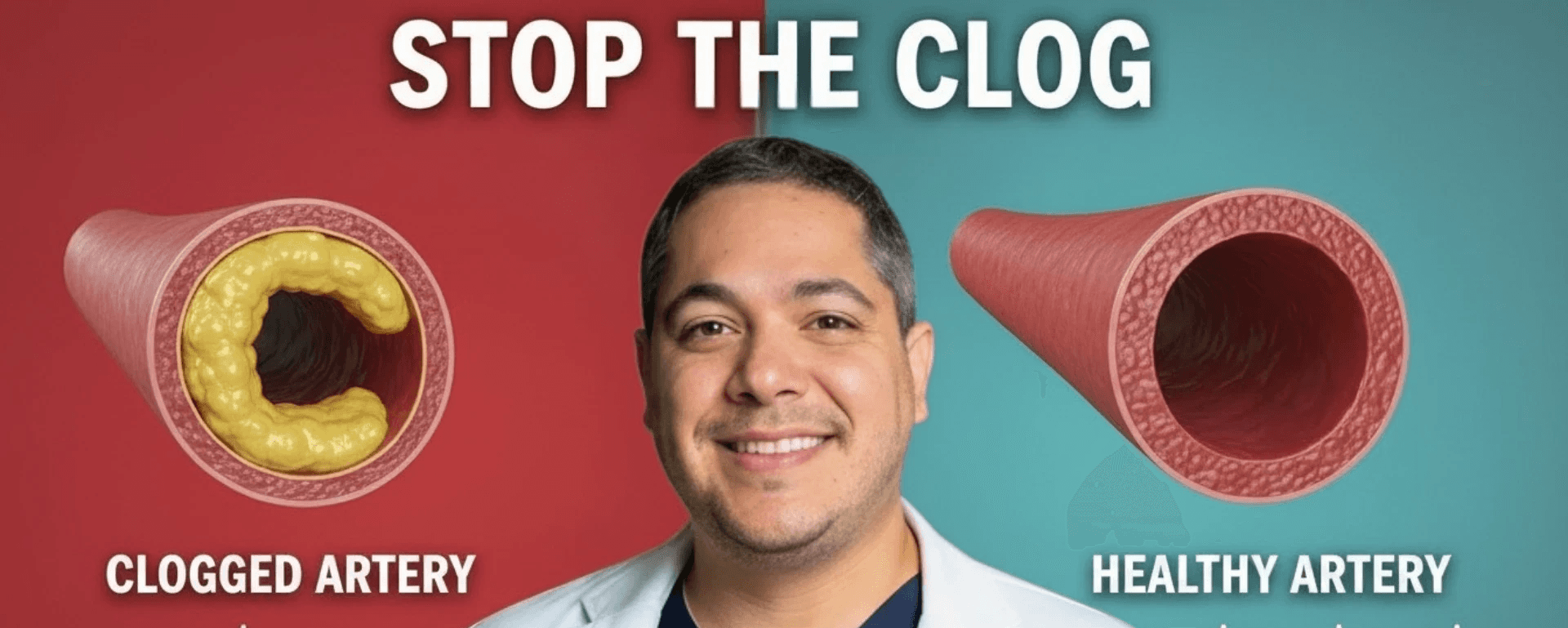
The New "Heart Math": Why Your Cholesterol Snapshot is Outdated
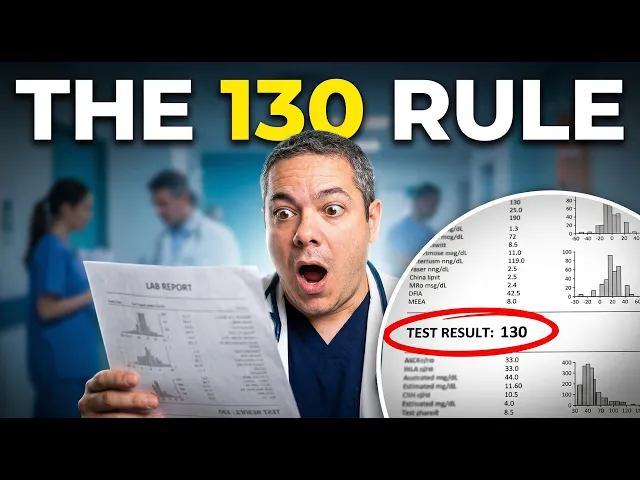
Beyond the LDL: Understanding Your "Cholesterol-Years" (AHA 2026 Guidelines). The latest AHA Science Advisory shifts the focus from a single lab result to your Cumulative LDL Burden. Managing heart risk in 2026 means looking at Non-HDL levels and using Calcium Scoring (CAC) to identify plaque before a heart attack occurs. If your Non-HDL is over 130, it’s time to calculate your "Heart Age" and take proactive steps.Advanced Cardiovascular Risk Assessment at Houston Metropolitan Medical. Schedule Your Heart Risk Assessment
Dr. Wilmer Valentin
Apr 2, 2026
Understanding your "Cholesterol-Years"
The biggest takeaway from the new guidelines is that "mildly elevated" cholesterol in your 20s and 30s is more dangerous than we previously thought.
The Concept: Plaque buildup is a slow, silent process. By keeping your LDL (bad cholesterol) low early in life, you "reset" your cardiovascular clock.
The Shift: We are moving away from "Watch and Wait" for younger patients and moving toward early, proactive intervention.
Non-HDL: The New Number to Watch
While everyone knows about LDL, the AHA now prioritizes Non-HDL cholesterol.
The Formula: Total Cholesterol - HDL = Non-HDL.
Why it matters: Non-HDL captures all the dangerous, artery-clogging particles (including VLDL and IDL), not just LDL. If your Non-HDL is consistently over 130 mg/dL, your "Cumulative Burden" is likely increasing too quickly.
The "Zero" Score Strategy
When blood work is borderline, the 2026 guidelines lean heavily on the Coronary Artery Calcium (CAC) Scan. This is a 5-minute, low-dose CT scan that looks for actual calcified plaque in your heart's arteries.
Score of 0: You may be able to focus strictly on lifestyle and delay medication.
Score of >0: This is a "red flag" that plaque has already formed. In this case, the AHA recommends aggressive treatment regardless of how your other numbers look.
Modern Treatment: Beyond the "Statin-Only" Approach
Treatment in 2026 is about precision. The advisory suggests:
Combination Therapy: Adding Ezetimibe to a low-dose statin early on can hit lower targets with fewer side effects.
The Metabolic Link: For patients with diabetes or obesity, treating "CKM Syndrome" (Cardiovascular-Kidney-Metabolic) as one unified system is essential for true protection.
How to Take Action Today
Calculate your Non-HDL: Look at your last lab report and do the math (Total - HDL).
Start Early: If you are over 35, ensure you have a baseline lipid panel on file.
Consult the Experts: At Houston Metropolitan Medical, we specialize in this "Whole-Body" approach to cardiovascular health.
Don't wait for a symptom to be your first sign of heart disease. Let’s calculate your burden and protect your future.
https://professional.heart.org/en/guidelines-and-statements/prevent-calculator